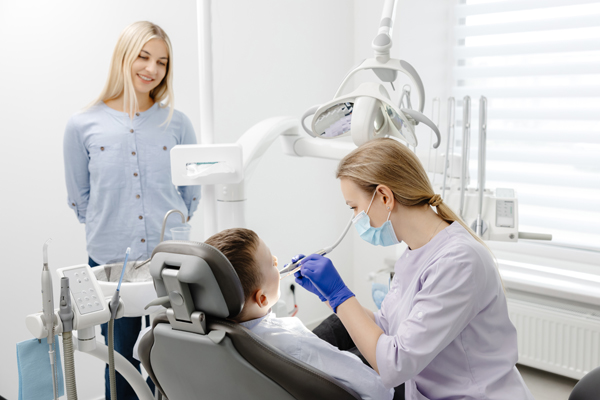
When Would a Dentist Recommend a Tooth Extraction?
Various situations exist where a dentist would recommend . Specific symptoms present themselves to let you know it might be a possibility. A dentist will confirm that a tooth extraction is the way to go. If you know what to look for, you will be able to tell when you need to visit your dentist.
Signs tooth extractions may be necessary
First, there is pain, followed by thinking a tooth extraction may be on the horizon. Believe it or not, an extraction may not be necessary. Only the dentist would be able to say one way or another. The main reasons a dentist will recommend tooth extractions are as follows:
- There is a badly infected tooth
- Damage cannot be fixed with a crown or filling
- Pain is persistent after previous treatments, like crowns, fillings, or root canals
- Not enough space for all teeth
- Orthodontic treatment is necessary, so crowding needs to be fixed
Understanding the periodontal disease impact
Anyone can suffer from periodontal disease, which is why dentists encourage good dental hygiene by recommending flossing and brushing at least twice a day. Over time, bacteria will destroy teeth as it eats away at enamel and causes cavities. Periodontal disease should not be taken lightly. Other things that can happen with periodontal disease include abscesses and other soft tissue infections. In worse scenarios, infections in the jaw could get bad enough to kill the tissue and make its way into the jawbone. When infections get that bad, someone could even end up with sepsis, which is blood poisoning.
Wisdom teeth may need extraction
Wisdom teeth are typical candidates for a tooth extraction as they tend to crowd a mouth if they ever come through. If wisdom teeth do not come through and instead become impacted, they need to be extracted. Tooth impaction can be pretty painful, so getting them removed helps teeth and gums heal properly. Occasionally, wisdom teeth do not erupt completely or normally, and that can make it difficult to brush and floss effectively. Not doing so will result in damage, decay, and possibly infection, resulting in necessary tooth extractions.
Dealing with the aftermath of an extraction
Prevention is always preferred, so with good hygiene, including brushing and flossing as suggested, it will be easier for you to avoid a tooth extraction. If the dentist has decided on tooth extractions, the process is a lot easier now than decades ago. Patients can request sedation so as not to be aware during the procedure. All that is needed afterward is some over-the-counter pain relievers to dull any discomfort.
It can take up to a couple of months for a tooth to heal. Patients must be careful about eating and chewing. Avoid crunchy or hard things like ice, and do not eat chewy things until the extraction point is fully healed. If there are any questions, ask your dentist for further assistance or instructions.
Request an appointment here: https://www.yourfamilysmiles.com or call Family Dental Care of Chicago at 7732501194 for an appointment in our Chicago office.
Check out what others are saying about our dental services on Yelp: .
Recent Posts
Tooth extraction is a procedure done to remove a damaged or potentially problematic tooth. Like every dental procedure, the wound created by the extraction process heals over time with proper care. The dentist will provide the necessary aftercare instructions to follow.Aside from using the recommended medications and resting adequately, there are certain things to avoid…
A tooth abscess is an infection that often requires a prompt visit to the emergency dentistry office. With the lockdown in place due to the COVID-19 outbreak, dentists have limited dental procedures to emergency treatment. The extent of pain and swelling typically determines if there is a dental emergency. However, if the abscessed tooth is…
For dental emergencies, people can go to an emergency dentist or an emergency room. However, several things should be considered before deciding where to seek medical help. Just like any other medical emergency, dental emergencies also require different levels of care. This depends on their severity. The ideal place to go for treatment when you…
An emergency dentist is vital when unexpected dental problems arise, providing immediate care to address pain, damage, and other urgent issues. Comparing an emergency dentist to an oral surgeon is important for understanding which professional can best meet a patient's needs. While both play critical roles in maintaining oral health, their training, focus, and treatment…